Service area · Central Isthmus
Grey Lynn.
Villa renovations, old fruit trees, and the arborist reports your council needs.
Introduction
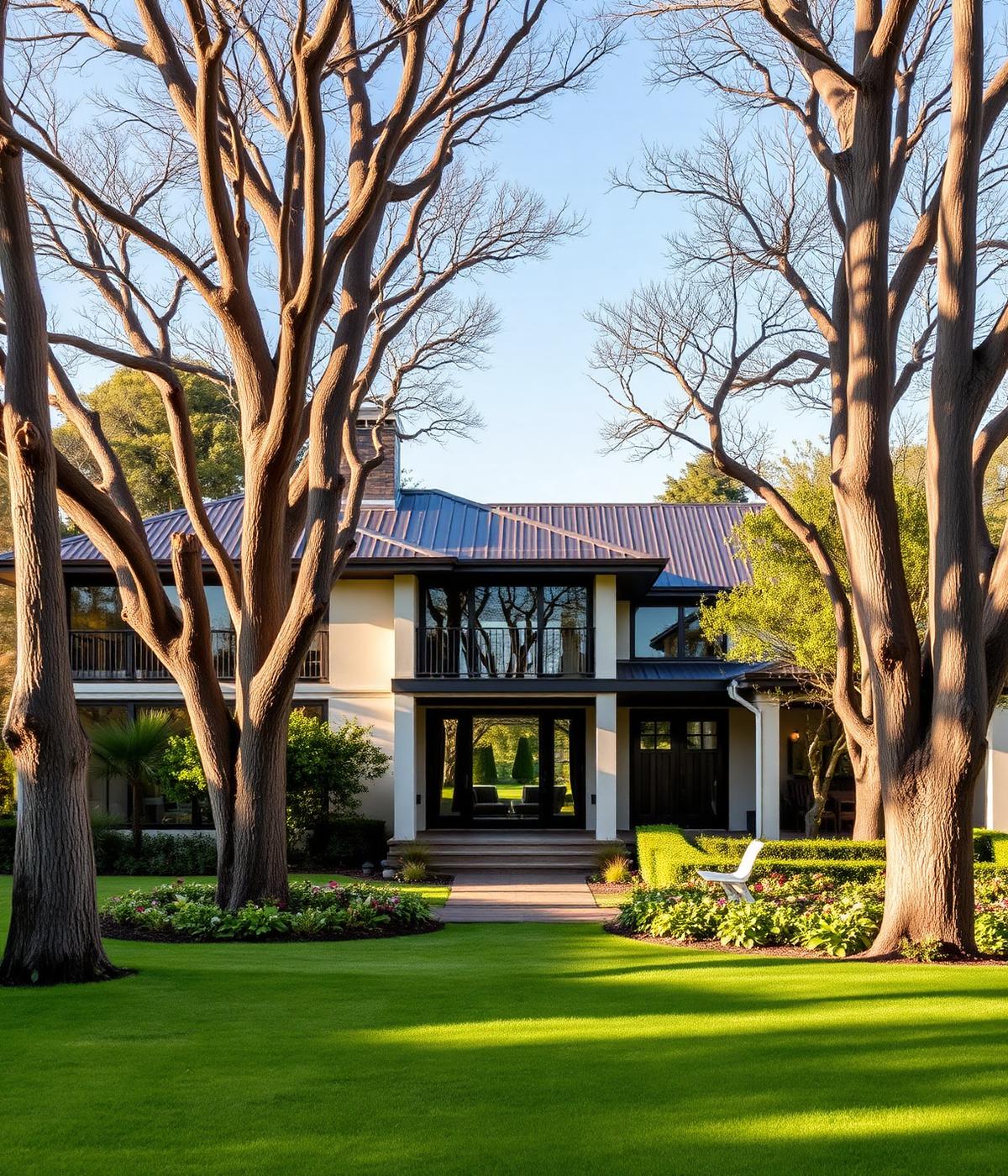
Grey Lynn is a renovation suburb. Almost every street is full of villas being restored, extended, or converted, and a lot of the trees on the properties are 70+ year-old plums, pears, figs, and the occasional persimmon — relics of when the section was a backyard orchard. Most of our Grey Lynn work is renovation-driven: pre-build arborist reports, removal of trees that won't survive the construction, careful protection of trees that will. Williamson Avenue, Richmond Road, Surrey Crescent, and the streets stepping toward Western Springs all carry this same pattern. We're regulars with several Grey Lynn architects and we know the council's requirements for villa-renovation arborist reports better than most.
Local conditions
Common tree work in Grey Lynn.
01
Pre-renovation arborist reports
Villa renovations almost always need an arborist report addressing trees within or near the construction zone. We write reports that satisfy planners, address tree protection during the build, and identify which trees can be reasonably retained versus which the project should plan to remove.
02
Old fruit trees and end-of-life decisions
Backyard plums, pears, and figs are charming but they're rarely structurally sound at 70+ years old. Renovation projects often force the question of whether to retain or replace, and we help homeowners and architects make that call with honest assessment of the tree's actual structural state.
03
Character overlay tree protections
Grey Lynn falls within Auckland's character overlay in many places, and tree protections can extend beyond what's on the formal schedule. We check property-specific rules, manage consents where required, and write reports that satisfy the character overlay's requirements.
Recent project · Grey Lynn
Pre-renovation arborist report, Williamson Avenue
A villa renovation requiring construction within the dripline of three mature trees: a heritage pear, a self-seeded oak, and a boundary Norfolk pine. We wrote a report identifying the pear as worth protecting (with detailed instructions for the builder), the oak as worth removing (with consent secured), and the Norfolk pine as a separate question requiring negotiation with the neighbour. Council granted consent on first pass. Renovation completed without tree-related issues.
See more work →Most requested in Grey Lynn
Featured services.
FAQ
Questions from Grey Lynn clients.
As early as possible, ideally before the architect finalises the building footprint. A good arborist report can shape the design — if a tree is worth protecting, the building footprint can be adjusted to accommodate it; if it has to come down, the consent process can run in parallel with the rest of the consent. Bringing the arborist in late often means changes to the design or surprise costs at consent stage.
Sometimes, sometimes not. We assess the tree's current structural state, the construction footprint relative to its root zone, and the realistic protections that can be put in place during the build. Old plums and pears with hollow trunks or significant branch failures usually shouldn't be retained. Sound trees with good structure can often be protected; we write the protection plan into the arborist report.
Often yes, or they'll grant consent with conditions you didn't expect. The most common reason villa renovations come back with conditions is an arborist report that's thin or missing. A proper report addresses every tree the build affects, satisfies the council's requirements, and removes that risk from your project timeline.
Often. Self-seeded oaks, hawthorns, privets, and the occasional sycamore are common in old Grey Lynn back gardens. They're usually not protected and not worth keeping; removal and replacement with deliberate planting is generally the better call. We can do the removal, grind the stump, and recommend a landscape designer if you want help with what comes next.
Other Auckland areas