Service area · South & Rural
Karaka.
Lifestyle blocks, shelterbelts, and the big tree work that needs the right machinery.
Introduction
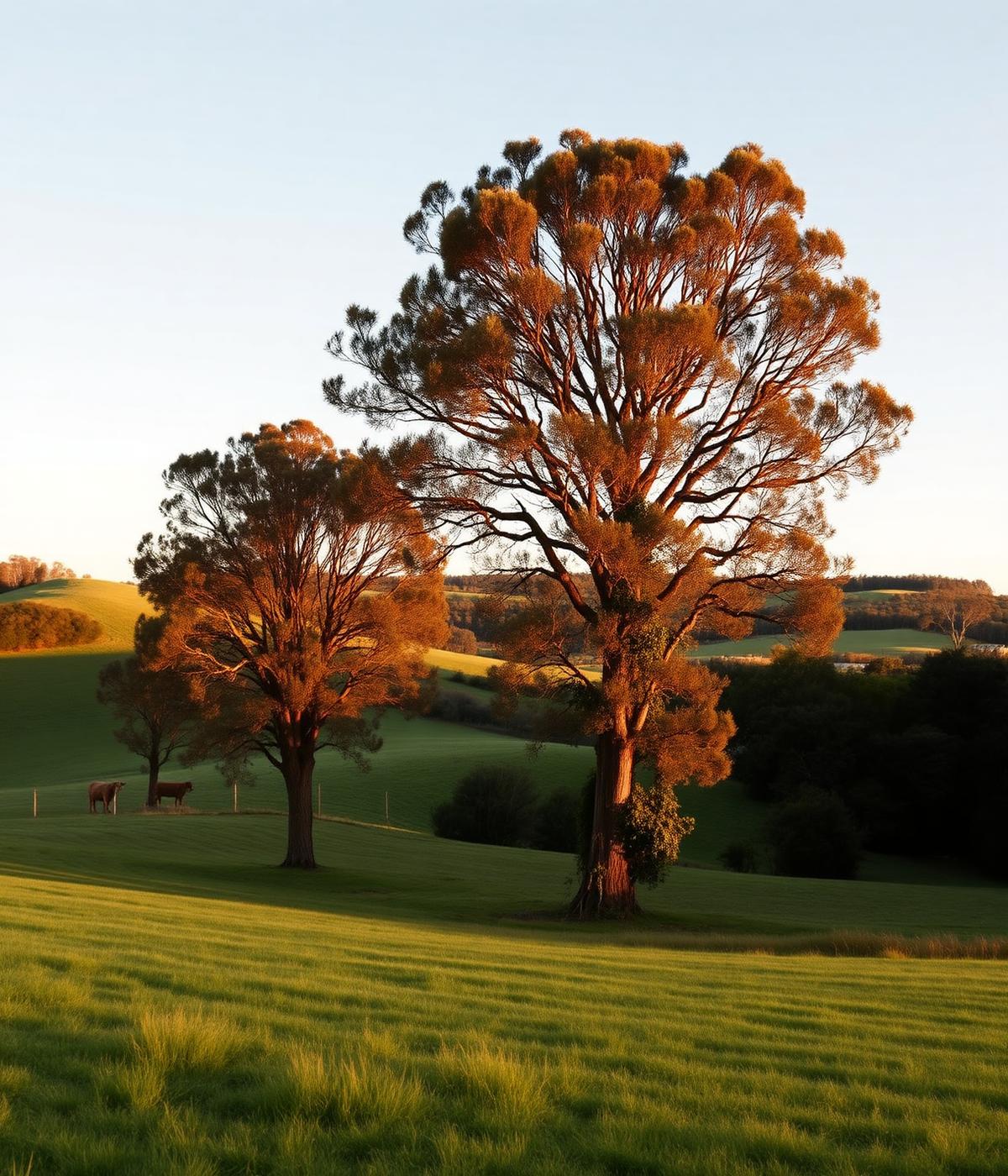
Karaka is lifestyle-block country. Most properties are 1–10 acres, and the trees that come with them are the working trees of rural New Zealand: shelterbelts of macrocarpa and pine, paddock-edge gum trees, and the occasional plantation block that's been allowed to grow on past its productive life. The work is bigger than residential tree work — more volume, more machinery, more mulch. We bring chippers sized for the volume, trucks that handle a full day's worth of brash, and crew comfortable with the scale. Hingaia Road, Linwood Road, Walters Road, and the rural blocks stepping toward the harbour all see this pattern. Karaka work pays back in mulch — most clients want it returned to the property, and a day's clearing on a lifestyle block produces enough mulch to refresh every garden bed for years.
Local conditions
Common tree work in Karaka.
01
Large shelterbelt removal and management
Decades-old macrocarpa and leyland cypress shelterbelts are common across Karaka, and many are at the end of their useful life — either because they've grown beyond their original purpose or because they're failing. Removal is straightforward with the right machinery; replacement planning is where the value lies.
02
Paddock access and machinery selection
Karaka jobs usually involve getting machinery into paddocks, sometimes across soft ground, sometimes through gateways sized for cars. We assess access, select equipment that fits, and avoid the rookie mistake of bogging a chip truck on a rainy week.
03
Mulch volume and value to your property
Lifestyle block clearing produces serious mulch volume. Most Karaka clients want it back on the property — for orchard floors, garden bed refresh, or paddock edge cover. We can also dispose off-site if you prefer, but mulch returned is usually the higher-value option.
Recent project · Karaka
Shelterbelt replacement program, Hingaia Road
A 4-acre lifestyle block with a 200-metre macrocarpa shelterbelt at end-of-life — declining, gappy, and harbouring possums. We removed the shelterbelt over five days, processed everything to mulch (returned to the property's orchard area), ground the stumps, and recommended a replacement planting plan using a mix of pittosporum and totara. The replacement is now established. The orchard mulch is still being used four years on.
See more work →Most requested in Karaka
Featured services.
FAQ
Questions from Karaka clients.
Depends heavily on access, scale, and what you want done with the material. As a rough guide, a 100-metre macrocarpa shelterbelt with reasonable access and mulch returned to the property runs NZD 8,000–18,000. We give a fixed-price written quote after a site visit, including options for replacement planting and mulch handling.
Yes — we plan around it. We bring tracked machinery where ground is soft, time the work to dry windows where we can, and use temporary trackways for the wettest sites. We won't bog a truck on your driveway and pretend it was an unforeseeable accident; if conditions are wrong we'll reschedule.
Your call. Most Karaka clients want it returned to the property — distributed across orchard floors, paddock edges, garden beds, or stockpiled for ongoing use. We can also dispose off-site if you prefer or if you don't have a use for it. We discuss it in the quote and price the options.
We don't plant ourselves but we work with several rural-specialist landscape designers and nurseries who do, and we can coordinate the handover so your replacement planting goes in soon after the old shelterbelt comes out. We'll recommend species suited to the site — pittosporum, totara, manuka, kanuka mixes — and the maintenance regime that gets the new shelterbelt established.
Other Auckland areas