Service area · Eastern Bays
Kohimarama.
Native trees, mid-century gardens, and the long view of tree care.
Introduction
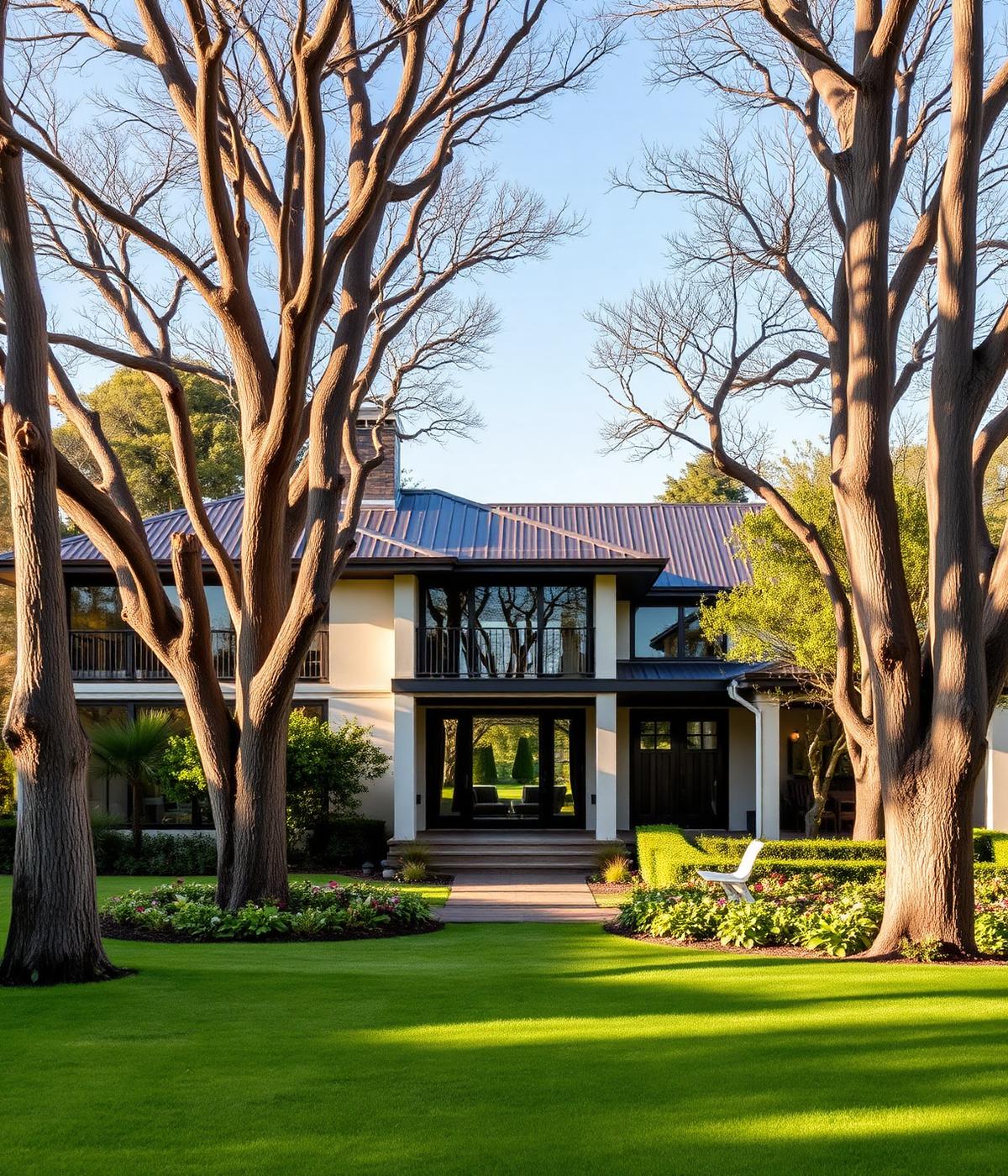
Kohimarama has more native species in private gardens than most Auckland suburbs — kauri, rimu, totara, kowhai, and pohutukawa stepped back from the water. A lot of the homes are mid-century, with original plantings that are now 50–60 years mature. That's old enough for the tree assessment work to matter: kauri dieback awareness, structural reviews of large pohutukawa, and the slow careful pruning that keeps old natives healthy without shocking them. We've worked across Allum Street, Long Drive, Speight Road, and the streets stepping up the hill from the bay, and we operate to MPI's kauri biosecurity protocols on every site where kauri is present, regardless of whether dieback has been reported.
Local conditions
Common tree work in Kohimarama.
01
Kauri dieback and biosecurity protocols
Kauri are present across Kohimarama and dieback is a known regional risk. We follow MPI biosecurity protocols on every site with kauri — sterile equipment, dedicated boot wash, and movement controls — and we assess kauri health honestly before any work starts.
02
Mature native trees needing careful handling
Native species don't respond well to the heavy pruning that exotics tolerate. Pohutukawa, kowhai, totara — they need precise, modest interventions, repeated over time. We plan native tree care across multiple visits rather than trying to fix everything in one go.
03
Slope properties and harbour exposure
Many Kohimarama properties step up the hill, and the trees that come with them often need slope-aware rigging. We're set up for it: ground anchors, rope systems, and crew comfortable working off the vertical.
Recent project · Kohimarama
Kauri health assessment and protective pruning, Allum Street
A mature kauri on a Kohimarama property showing minor canopy thinning. We followed full kauri biosecurity protocols, conducted a visual health assessment, recommended against any pruning beyond dead wood removal, and provided a written monitoring plan over three years. The owner avoided unnecessary intervention; the tree continues to recover. Sometimes the right work is the work you don't do.
See more work →Most requested in Kohimarama
Featured services.
FAQ
Questions from Kohimarama clients.
We follow MPI's kauri biosecurity protocols on every site where kauri are present. That means sterilised equipment, dedicated footwear cleaning, and movement controls on the property. We also assess kauri health visually and won't undertake unnecessary work — kauri respond poorly to pruning beyond dead wood removal, and we'll tell you so even if it costs us a job.
We strongly recommend against heavy pruning of pohutukawa. They can handle modest crown reductions repeated over years, but heavy lifting or topping causes long-term decline. If a pohutukawa needs to come back substantially, that usually means staged reduction over 2–4 years or, in some cases, removal. We'll be honest about which option is right for your tree.
Yes. Health assessments are a service we charge for, and the recommendation is genuinely independent — sometimes it's monitor and don't touch, sometimes it's reduce, sometimes it's remove. We don't write assessments to generate work; we write them to give you accurate information about your trees.
Often. Slope work needs proper rigging, ground anchors, and crew who are comfortable working off vertical surfaces. We're equipped for it and our public liability cover specifically extends to slope and cliff work. We'll show you the certificate of currency before we start any job that requires it.
Other Auckland areas