Service area · South & Rural
Drury.
Development sites, pre-subdivision clearing, and the vegetation reports that get consents over the line.
Introduction
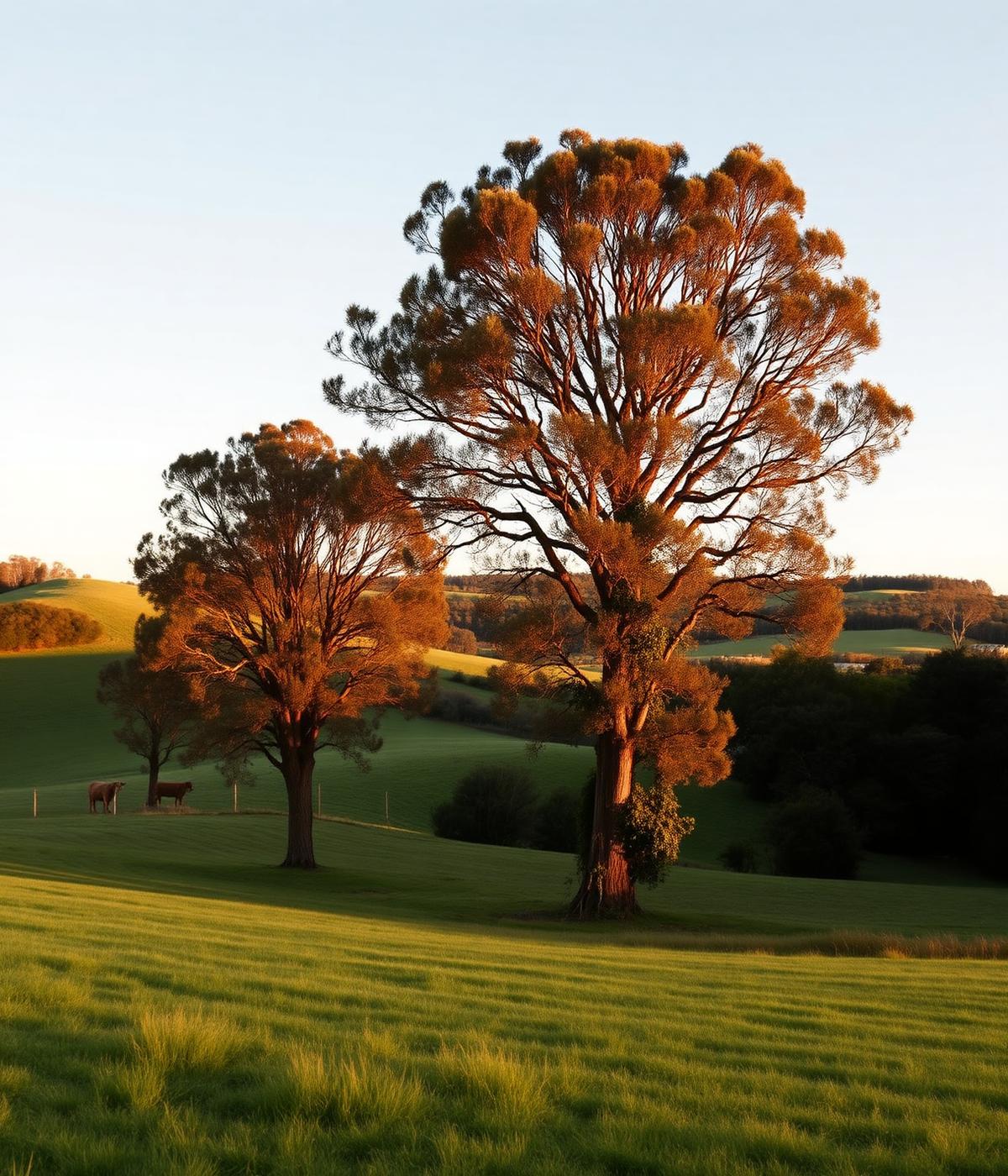
Drury is the south Auckland development corridor, and that defines the tree work. A lot of our Drury work is pre-subdivision: vegetation reports for council resource consents, large-scale clearing once consents are granted, and the long, slow process of taking a paddock with a few mature trees through to development-ready land. The other side is the residential lifestyle blocks that haven't been swallowed by development yet — shelterbelts, paddock trees, and the occasional storm response. Waihoehoe Road, Great South Road, Burberry Road, and the streets either side of the Southern Motorway all carry one or both of these patterns.
Local conditions
Common tree work in Drury.
01
Subdivision vegetation reports
Resource consent applications for subdivision in Drury usually require a vegetation report — identifying significant trees, assessing what's worth retaining, and informing the development design. Reports that meet council requirements speed the consent process; reports that miss requirements slow everything down.
02
Large-scale clearing post-consent
Once consent is granted, the clearing work is usually scaled — multiple acres, dense vegetation, sometimes within a tight construction timeline. We bring machinery and crew capacity for that scale, and we coordinate with civil contractors to keep the build moving.
03
Traffic management on Great South Road
Drury work that touches Great South Road or the surrounding state highway feeders requires proper traffic management — TMPs, certified signage, and coordination with NZTA where state highways are involved. We arrange it as part of the job.
Recent project · Drury
Pre-subdivision clearing, Waihoehoe Road
A 4-acre paddock with mixed mature plantings being prepared for residential subdivision. We wrote the supporting vegetation report for the resource consent (granted on first pass), then cleared the site over eight days post-consent — preserving three trees identified in the report as worth retaining, removing the rest, and processing everything to mulch for the developer's use on the new sites. Civil contractor moved in the week after we finished. No timeline slippage.
See more work →Most requested in Drury
Featured services.
FAQ
Questions from Drury clients.
An identification of every significant tree on the site, an assessment of which are worth retaining (and how to design around them), a recommendation on which can or should be removed, and a written report meeting Auckland Council's requirements for the relevant consent. The report informs the subdivision design and supports the consent application.
Yes — multi-acre clearing is part of what we do across the Drury corridor and the rest of rural-development south Auckland. We bring machinery sized for scale, run multiple-day jobs as a matter of routine, and coordinate with civil contractors and project managers to keep development timelines moving.
Sometimes, depending on whether the work affects the state highway corridor itself or the road reserve adjacent. We check before quoting and arrange any required permissions or coordination as part of the job. Traffic management plans and certified signage are included where the work demands it.
Often positively, when the retained trees are sound and well-positioned. Mature trees on a subdivision can lift lot value substantially, particularly when they're integrated into the landscaping plan from the start. The vegetation report identifies which trees are worth retaining and how to design around them; the developers we work with usually take the recommendation.
Other Auckland areas